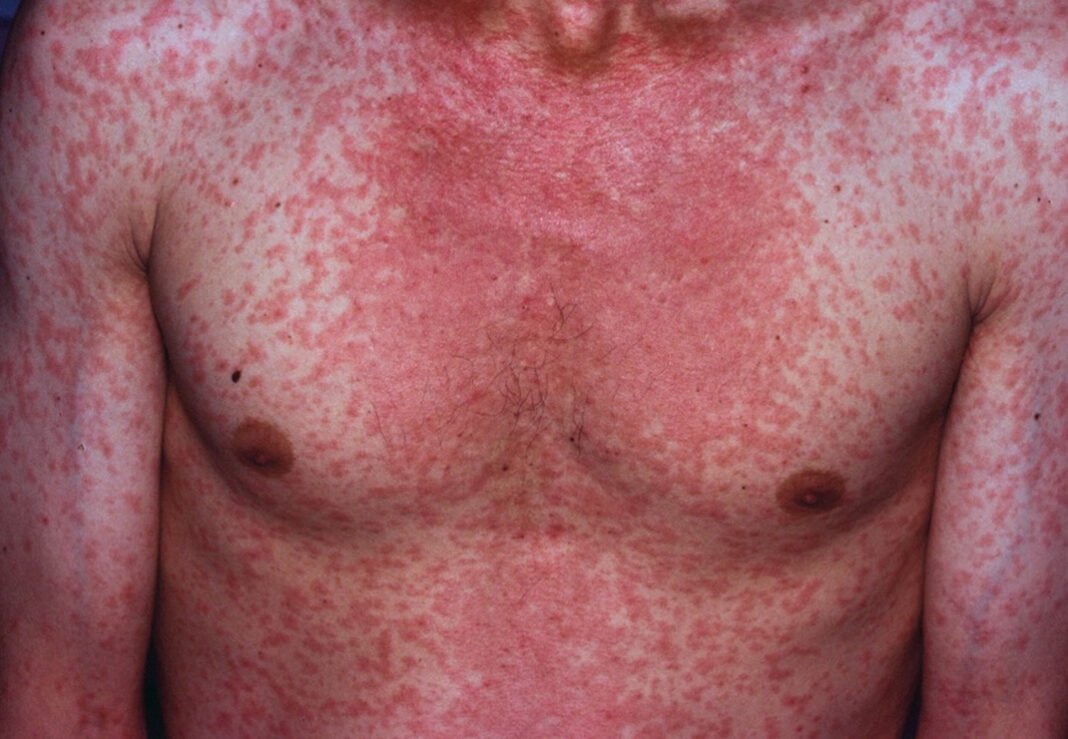

Measles outbreaks are often publicized in the news, warning parents of the risks posed by the highly contagious disease and urging them to make sure their children are vaccinated against it. What isn’t always mentioned, however, is that the risk of contracting measles is greater for children under 5 than it is for older children and adults it’s greatest between the ages of 1 and 2 years old. But why? The answer has to do with the immune system.
Measles is a serious disease
1) If you are traveling abroad and have not received the vaccine, make sure you are up-to-date on your immunizations before departing.
2) If you live in an area where there is an outbreak of this, make sure you and your children are vaccinated and follow all instructions from public health officials.
Measles can be deadly for young children
It is a risk for children under five years old. The disease can be deadly and is the leading cause of death among young children around the world. It’s a serious issue, but luckily some vaccines protect against measles.
The vaccine not only protects your child from this, but it also prevents other dangerous diseases like hepatitis B, diphtheria, tetanus, and whooping cough. So if you have a child under five years old, make sure they get vaccinated to reduce their risk of getting this disease or any other illness. To get rid of this, you can visit any lab like Chughtai lab Lahore or any other.
Measles is highly contagious
This is a highly contagious disease that can cause fever, cough, runny nose, and red eyes. The most serious complication is pneumonia. Other complications include ear infections; diarrhea or vomiting; seizures; brain swelling; and permanent brain damage. For children under 5 years of age, there is no treatment available to lessen the severity of measles or the risk of death.
In addition to these risks, measles can be prevented with two doses of vaccine at any age. However, if you have had measles in the past it may be necessary to take immune globulin before receiving the vaccine as a booster dose. Chughtai lab Lahore can be very helpful for any lab tests.
Children under five are at the highest risk for measles
Children under five are at the highest risk for measles. This is because the first few years of life are when children’s immune systems are still developing, and they cannot be vaccinated against measles until they turn 12 months old.
This can cause serious health problems, such as pneumonia and encephalitis, which may lead to death. About one out of every 10 children who get this will develop one or more complications from it.
Early symptoms of measles
It is a highly contagious disease that can cause serious complications. Early symptoms of this include a high fever, coughing, runny nose, and red eyes. After an infected person has been in the same room with you for 15 minutes or more, this can live on surfaces like tables and counters.
You can also get it by touching clothes or linens used by an infected person and then putting your fingers in your mouth or nose. In rare cases, measles can lead to pneumonia (a lung infection), brain damage, deafness, and death.
Complications from measles
Many complications can arise when a person gets this disease. Some symptoms of this disease include high fever, cough, runny nose, and red eyes, however, the most severe complication is pneumonia. Pneumonia is caused by the virus in their lungs spreading to the lungs and causing fluid to build up in the air sacs surrounding the lungs. This leads to difficulty breathing or even death. Chughtai lab provides you with all the lab tests.
Prevention of measles
It is a risk for children under 5 years of age, with one in 20 children who contract measles dying from the disease. Luckily, there are many ways to prevent this including immunization, vitamin A supplements, and hand-washing.
Of course, simply being aware of the symptoms can help identify potential cases and encourage parents to seek medical care. Additionally, it is important to remember that adults should be vaccinated as well because they can serve as carriers.
Conclusion
It is also known as rubeola, is one of the most infectious diseases there is—its ability to spread from one person to another can be compared to that of influenza and other airborne viruses. But not only can measles easily spread from one person to another, it’s highly contagious long before any symptoms manifest in the person infected with the virus—meaning that you could be in contact with someone who has measles without even realizing it