


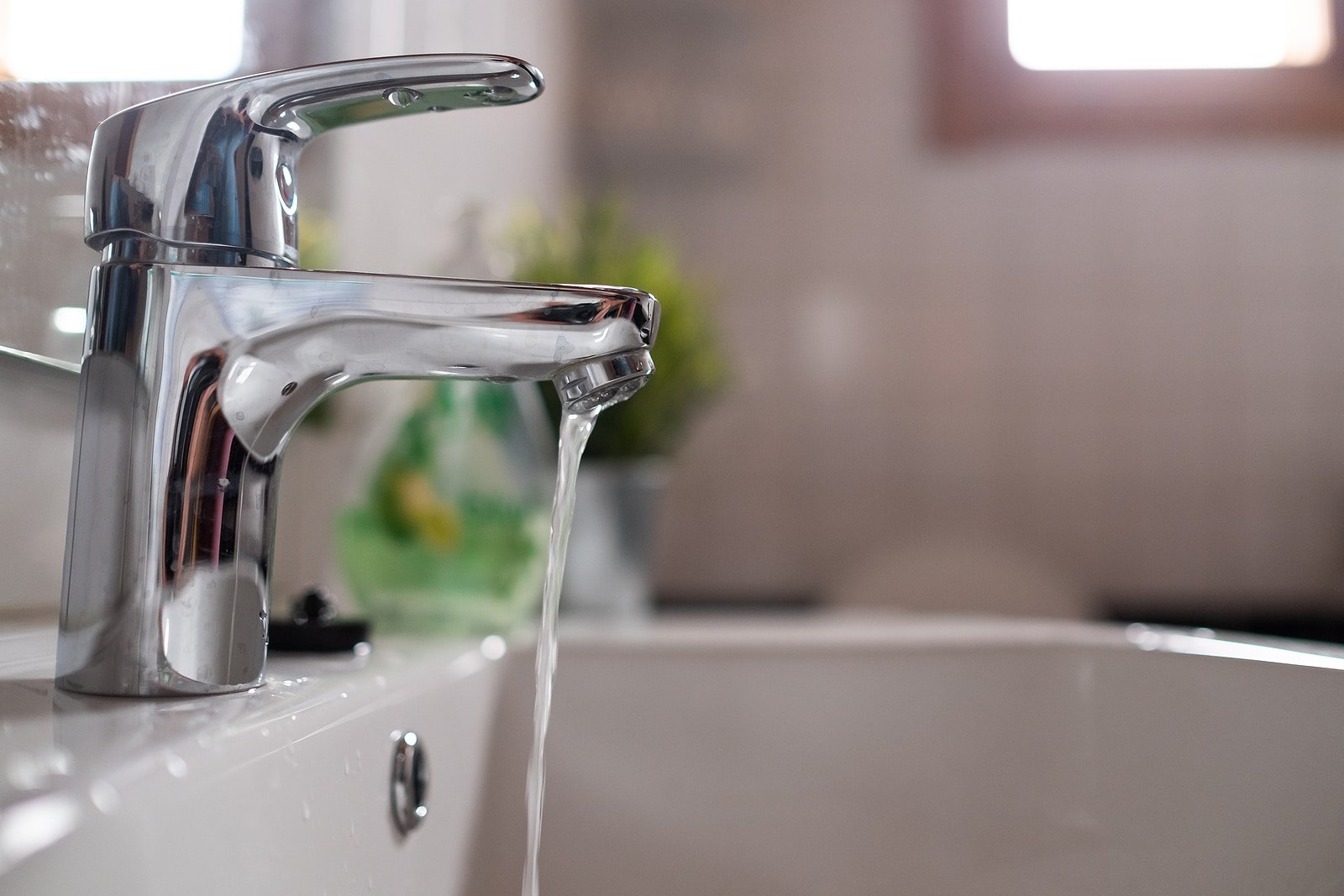
Low water pressure can make everyday tasks frustrating—showers feel weak, faucets trickle, and appliances like dishwashers take longer to run. The good news is that low water pressure is often fixable once you identify the cause. By following a systematic troubleshooting process, you can restore strong, steady water flow.
Step 1: Identify the Scope of the Problem
- Whole house – If every faucet has low pressure, the problem could be at the main supply or municipal connection.
- Single fixture – If only one faucet or shower is affected, it’s likely a localized issue.
Step 2: Check the Water Meter and Main Shut-Off Valve
- Make sure the main shut-off valve is fully open. Even partially closed valves can reduce flow.
- Inspect the water meter for damage or leaks.
Step 3: Look for Leaks
Leaks not only waste water but also reduce pressure.
- Check for visible water pooling around your property.
- Listen for running water sounds when all taps are off.
- Review your water bill for unexplained increases.
Step 4: Test Different Fixtures
- If your shower has low pressure but the sink doesn’t, the problem may be a clogged showerhead.
- Mineral buildup in aerators can restrict water flow—unscrew and clean them with vinegar.
Step 5: Inspect the Pressure Regulator
Some homes have a water pressure regulator near the main line. If it fails, pressure can drop suddenly. Regulators can be adjusted, but if it’s faulty, replacement may be necessary.
Step 6: Check for Clogged Pipes
In older homes with galvanized pipes, corrosion can restrict water flow. If multiple lines are affected, repiping may be the only long-term solution.
Step 7: Municipal Water Supply Issues
Sometimes, the problem is outside your home. Contact your water provider to see if there’s maintenance work or a break in the supply line.
Step 8: Boosting Water Pressure
If your plumbing is in good shape but pressure is still low, consider:
- Installing a water pressure booster pump
- Adding an expansion tank to balance system pressure
Pro Tips
- Maintain your plumbing system with periodic inspections to prevent pressure drops.
- Replace worn washers, cartridges, and aerators promptly.
- Flush your water heater annually—sediment buildup can affect hot water pressure.
When to Call a Plumber
If low pressure is persistent despite checking valves, cleaning aerators, and ruling out municipal issues, a Fishers Indiana plumber can test your system, inspect hidden pipes, and recommend permanent solutions.
Conclusion
Low water pressure can be frustrating, but most causes are straightforward to diagnose and fix. By inspecting valves, checking for leaks, and cleaning fixtures, you can often restore normal flow without major repairs. For stubborn problems, professional help ensures your water system operates at peak performance.

