


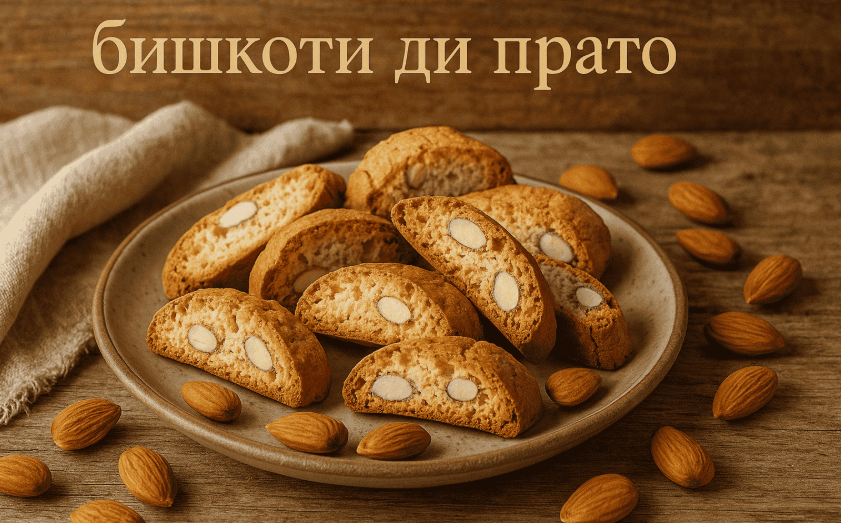
In the world of cookies, few are as iconic, durable, and steeped in history as the бишкоти ди прато. Often simply called “biscotti” abroad though the term is generic in Italian for “cookies”), these specific almond biscuits from the Tuscan city of Prato are a masterpiece of simplicity, design, and flavor. They are not just a sweet treat; they are a culinary artifact, a perfect companion for a moment of repose, and a testament to the Italian genius for creating sublime things from humble ingredients.
What Exactly Are бишкоти ди прато?
Biscotti di Prato are elongated, dry, crunchy biscuits characterized by their distinctive twice-baked process (which is what “biscotti” literally means: bis-“twice” + cotti-“cooked”). This method gives them their signature hard texture, designed for dipping. They are studded with whole, skin-on almonds and are notably devoid of butter or oil, relying on eggs for their binding and richness.
Their flavor profile is simple yet profound: a sweet, vanilla-and-egg base complemented by the robust, toasty bitterness of the almonds. They are meant to be enjoyed by dunking them into a beverage—most classically, Vin Santo—which softens them and releases their full aroma.
A Slice of History: Origins in the Roman Legions to Renaissance Prato
The story of biscotti is ancient The Romans had a similar twice-baked bread for its longevity, perfect for soldiers and travelers on long journeys However, the modern recipe we know today is firmly rooted in Tuscany.
The credit is most often given to a Tuscan baker from the city of Prato in the mid-19th century, Antonio Mattei. His original recipe, perfected and sold from his bakery (which still exists today as Biscottificio Antonio Mattei), won international awards and put Prato on the gastronomic map. The recipe was so perfect that it became the standard, and the cookies became synonymous with the town itself, hence “Biscotti di Prato” or “Biscotti di Prato alla Mattei.”
Their practicality made them a staple in the Tuscan countryside, famously known as the cantucci, to be enjoyed with wine after a meal or as a sustaining snack during the day.
The Art of the Twice-Bake: Why the Process Matters
The magic of a true Biscotto di Prato lies in its unique baking process:
- First Bake: The dough—a simple mixture of flour, sugar, eggs, and almonds (often with a touch of vanilla or pine nuts)—is shaped into long, low, wide loaves (ciabattine). These are baked until they are golden and firm but still soft inside.
- Slicing: The loaves are removed from the oven and, crucially, sliced diagonally into their classic slanted forms while they are still very hot and malleable. This requires skill to avoid crumbling.
- Second Bake: The sliced cookies are laid on their sides and returned to the oven at a lower temperature. This second bake dries them out completely, removing moisture and creating their famous hard, crunchy texture that allows for long preservation.
This method is not just technique; it’s alchemy. It transforms a simple dough into a shelf-stable delicacy with a deep, toasty flavor and a satisfying snap.
The Sacred Ritual of the Dunk: How to Enjoy Them Properly
To eat a Biscotto di Prato straight from the packet is to miss half the experience. They are designed for dunking (inzuppare) The liquid softens the rock-hard texture, making it pleasant to eat while simultaneously infusing it with flavor.
- Vin Santo: The undisputed king of pairings. This rich, sweet, amber-colored dessert wine from Tuscany is the traditional and perfect match. The cookie soaks up the wine without disintegrating, creating a sublime blend of sweet, nutty, and vinous flavors.
- Espresso or Coffee: A morning or afternoon classic. Dunking a biscotto into a hot espresso is a daily ritual for many Italians. The coffee cuts through the sweetness and provides a caffeine kick.
- Sweet Wine or Dessert Wine: Any sweet wine like Moscato d’Asti or even a Passito can work wonderfully.
- Milk or Hot Chocolate: A fantastic way for children (and adults) to enjoy them, especially for breakfast.
бишкоти ди прато vs. Cantucci: Is There a Difference?
This is a common point of confusion, even in Italy. The terms are often used interchangeably, but there is a nuanced distinction:
- Biscotti di Prato refers specifically to the original recipe from Prato: no butter, no oil, and exclusively almonds (no other nuts or additions). It is a protected name with a specific provenance and recipe.
- Cantucci is a more general term for twice-baked almond cookies from Tuscany While very similar, some modern cantucci recipes might include a small amount of butter or other ingredients like pine nuts or aniseed.
In short, all Biscotti di Prato are cantucci, but not all cantucci are Biscotti di Prato. The Prato version is considered the classic, purist form.
A Legacy in Every Bite
бишкоти ди прато are more than a cookie; they are an edible piece of Tuscan heritage. They represent a time-honored craft of baking, a solution born from practicality, and an invitation to slow down and savor life’s simple pleasures. Whether you’re in a sun-drenched piazza in Prato dipping them in Vin Santo or at your kitchen table with a cup of coffee, each crunch is a connection to centuries of Italian tradition. They are a humble, yet utterly perfect, culinary icon.

