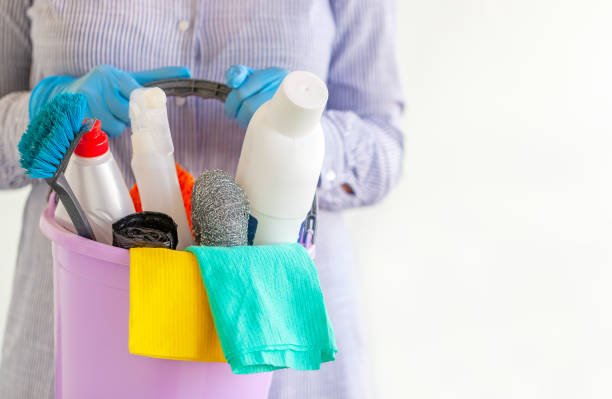

Setting a Cleaning Schedule
Creating a cleaning schedule is the first step to maintaining a clean home. By allocating specific tasks to different days of the week, you can ensure that cleaning becomes a manageable part of your routine rather than a daunting task. Start by listing all the cleaning tasks that must be done regularly, such as vacuuming, dusting, and bathroom cleaning. If keeping up with everything feels overwhelming, consider hiring seattle house cleaners for a more thorough cleaning every other week or so.
Pro Tip: Use a digital calendar or a physical planner to set reminders for each cleaning task to stay on track.
A well-structured schedule should include daily, weekly, and monthly tasks. For example, daily tasks include making the bed and doing the dishes, while weekly tasks involve vacuuming and changing bed linens. Monthly tasks include deep cleaning the fridge and washing windows.
Pro Tip: Group similar tasks together to make cleaning more efficient, like dusting all rooms on the same day.
Consistency is critical to maintaining a clean home. Once you have a schedule, stick to it as closely as possible. Over time, these tasks will become second nature, making it easier to keep your home clean without feeling overwhelmed.
Pro Tip: If you miss a task, don’t stress. Add it to the next day’s schedule to ensure it gets done.
Decluttering Regularly
Decluttering is crucial for maintaining a clean and organized home. Start by identifying areas that accumulate clutter, such as countertops, closets, and drawers. Regularly going through these areas and removing items that are no longer needed can prevent clutter from building up.
Pro Tip: Set a timer for 15 minutes each day to focus solely on decluttering one specific area.
The paragraph about the KonMari Method is perfect as it is and doesn’t necessarily need the location-specific “cleaners near me” keyword. The KonMari Method focuses on decluttering through personal connection with objects, not discarding items for replacement with new ones.
However, if you’d like to declutter with the intention of selling some items, you can add a sentence after the paragraph about finding resale opportunities online or at consignment shops near you.
Pro Tip: Donate or sell items in good condition that are no longer helpful to you. This not only reduces clutter but also helps others.
Make decluttering a regular habit rather than a one-time event. Schedule periodic decluttering sessions yearly to ensure your home stays organized and clutter-free.
Pro Tip: Use storage solutions like baskets and bins to keep similar items together and simplify decluttering.
Daily Cleaning Habits
Incorporating daily cleaning habits can significantly reduce the amount of time you spend on deep cleaning. Simple tasks like wiping down countertops after use, making the bed every morning, and putting away clothes can make a big difference in maintaining a tidy home. For those times when even daily cleaning habits aren’t enough, consider using seattle house cleaning services.
Pro Tip: Establish a daily cleaning routine that fits your schedule, such as spending 10 minutes tidying up before bed.
Daily habits should also include kitchen and bathroom maintenance. For instance, wiping down the sink and faucets after brushing your teeth can prevent soap scum buildup. Similarly, cleaning up spills immediately after they occur in the kitchen can prevent stains and make cleaning easier.
Pro Tip: Keep cleaning supplies within easy reach in each room to encourage quick cleanups.
Consistency in daily cleaning habits can lead to a cleaner home with little effort. Making these habits a part of your routine allows you to maintain a clean and organized living space with minimal stress.
Pro Tip: Use a checklist to ensure you don’t remember all daily cleaning tasks.
Kitchen Cleaning Tips
The kitchen is one of the most frequently used areas in the home, making it a hotspot for dirt and grime. Start by keeping countertops clear of clutter and wiping them down daily with a disinfectant. This not only keeps them clean but also prevents the spread of germs.
Pro Tip: Use cutting boards and trivets to protect countertops and reduce the need for frequent cleaning.
Regularly clean appliances like the microwave, oven, and refrigerator. Wipe down the exterior and interior of the microwave weekly to remove food splatters. Use a self-cleaning function for the stove, or manually clean it with a baking soda paste to remove grease and grime.
Pro Tip: Line the bottom of your oven with a removable oven liner to catch spills and make cleaning easier.
I am trying to remember the sink and garbage disposal. Clean the sink daily with a mild cleaner and run hot water through the garbage disposal to remove food particles. Once a week, grind a few ice cubes and lemon peels in the disposal to keep it fresh.
Pro Tip: Use a sink strainer to catch food debris and prevent clogs in the drain.
Bathroom Cleaning Essentials
Maintaining a clean bathroom requires regular attention to prevent soap scum, mold, and mildew. Start by daily wiping down surfaces like the sink, countertops, and mirrors. This helps remove toothpaste splatters, water spots, and other residues.
Pro Tip: Use a squeegee to wipe down shower walls and doors after each use to prevent soap scum buildup.
Clean the toilet at least once a week. Use a toilet brush and disinfectant cleaner to scrub the bowl, and don’t forget to clean the exterior and handle. A pumice stone can effectively remove stubborn stains from hard-to-reach areas under the rim.
Pro Tip: Use a toilet brush and cleaner in each bathroom for quick touch-ups.
Regularly wash bath mats and towels to keep them fresh and mildew-free. Ventilate the bathroom properly using an exhaust fan or opening a window to reduce moisture buildup, which can lead to mold growth.
Pro Tip: Use a mildew-resistant shower curtain liner to prevent mold and mildew in the shower area.
Living Room Maintenance
The living room is often the central gathering place in a home, so keeping it clean is essential. Start by regularly vacuuming or sweeping the floors to remove dust, dirt, and pet hair. Don’t hesitate to vacuum upholstered furniture and cushions to keep them free of dust and allergens.
Pro Tip: Use a lint roller to remove pet hair from furniture quickly between vacuuming sessions.
Dusting is another essential task for the living room. Dust surfaces like shelves, coffee tables, and electronics weekly to prevent dust buildup. Use a microfiber cloth to trap dust effectively and avoid spreading it around.
Pro Tip: Use an extendable duster to reach high shelves and ceiling fans without a ladder.
Keep clutter at bay by organizing remote controls, magazines, and toys. Use decorative baskets or storage bins to keep these items tidy and easily accessible. Regularly go through and remove items that are no longer needed to maintain an organized space.
Pro Tip: Establish a designated spot for commonly used items to reduce clutter and make cleaning easier.
Bedroom Cleaning Routine
A clean and organized bedroom can contribute to better sleep and overall well-being. Start by making the bed every morning. This simple task can instantly make the room look tidier and set a positive tone for the day.
Pro Tip: Invest in a good-quality mattress protector to keep your mattress clean and extend its lifespan.
Regularly dust and vacuum the bedroom to keep dust mites and allergens at bay. Pay special attention to under the bed and other hard-to-reach areas where dust accumulates. Wash bed linens and pillowcases weekly to keep them fresh and free of dust mites.
Pro Tip: Use hypoallergenic pillows and mattress covers to reduce allergens in your bedroom.
Organize your wardrobe and dresser drawers to prevent clothing clutter. Regularly review your clothes and donate or discard items you no longer wear. This keeps your wardrobe organized and makes it easier to find what you need.
Pro Tip: Use drawer organizers to keep smaller items like socks and accessories neatly arranged.
Laundry Room Organization
An organized laundry room can make doing laundry more efficient and less stressful. Start by setting up designated areas for sorting, washing, drying, and folding clothes. Use labeled bins or baskets to sort clothes by color, fabric type, or washing instructions.
Pro Tip: Install shelves or cabinets to store laundry supplies like detergent, fabric softener, and stain removers within easy reach.
Regularly clean the washing machine and dryer to keep them running efficiently and prevent odors. Run an empty cycle with hot water and vinegar once a month to clean the washing machine. Clean the dryer lint trap after each use to improve airflow and reduce fire risk.
Pro Tip: Use a damp cloth to wipe down the exterior of the washing machine and dryer to remove dust and detergent residue.
Keep the laundry room clutter-free by regularly decluttering and organizing supplies. Store items like ironing boards and drying racks neatly when not in use to maximize space and keep the area tidy.
Pro Tip: Use wall-mounted hooks or racks to hang items like brooms, mops, and ironing boards, freeing up floor space.
Managing Outdoor Spaces
Maintaining cleanliness extends to outdoor spaces like patios, decks, and yards. Start by regularly sweeping or blowing leaves and debris from walkways and outdoor living areas. This helps keep the space tidy and prevents slip hazards.
Pro Tip: Use a pressure washer to clean outdoor surfaces like decks, patios, and driveways for a thorough, deep clean.
Keep outdoor furniture clean by wiping it down regularly with a mild soap and water solution. Store cushions and covers in a dry place during the off-season to prevent mold and mildew. Check for and address any signs of wear or damage to prolong the life of your outdoor furniture.
Pro Tip: Apply a protective sealant to wooden outdoor furniture to protect it from the elements and extend its lifespan.
Maintain your yard by regularly mowing the lawn, trimming hedges, and removing weeds. A well-maintained yard looks appealing and reduces the risk of pests and allergens.
Pro Tip: Use mulch in garden beds to suppress weeds and retain moisture, reducing the need for frequent watering and weeding.
Cleaning Tools and Supplies
Having the right cleaning tools and supplies is essential for efficient cleaning. Stock up on basics like microfiber cloths, sponges, scrub brushes, and a good vacuum cleaner. Microfiber cloths are particularly effective for dusting and cleaning surfaces because they trap dust and dirt rather than spreading it around.
Pro Tip: Invest in a high-quality vacuum cleaner with HEPA filters to effectively remove dust and allergens from your home.
Keep your cleaning supplies organized and easily accessible. Use a caddy or a designated storage area to keep everything in one place. This makes it easier to grab what you need and reduces the time spent looking for supplies.
Pro Tip: Label your cleaning supplies to quickly identify what each product is used for, making cleaning more efficient.
Regularly clean and maintain your cleaning tools to ensure they remain effective. For example, wash microfiber cloths and sponges regularly and replace them when worn. Clean the vacuum filter and brush roll to maintain optimal performance.
Pro Tip: Store your cleaning tools in a cool, dry place to prevent mold and mildew growth.
Eco-Friendly Cleaning Solutions
Using eco-friendly cleaning solutions is better for the environment and safer for your family. Many conventional cleaning products contain harsh chemicals that can harm your health. Instead, use natural alternatives like vinegar, baking soda, and lemon juice.
Pro Tip: Make your all-purpose cleaner by mixing equal parts vinegar and water. Add a few drops of essential oil for a pleasant scent.
Vinegar is a versatile cleaner that cleans glass, countertops, and floors. Baking soda is excellent for scrubbing surfaces and removing odors. Lemon juice can help remove stains and disinfect surfaces.
Pro Tip: Use a spray bottle to apply vinegar solutions, making it easier to clean large surfaces quickly.
Eco-friendly cleaning products are also available in stores. Look for products labeled as biodegradable, non-toxic, and free from artificial fragrances and dyes. These products are effective and safe for use around children and pets.
Pro Tip: Check the ingredients list on cleaning products to ensure they do not contain harmful chemicals like ammonia or bleach.
Pet Hair and Odor Management
Pets can bring joy to your home, but they also get hair and odors. Regular grooming is essential to minimize shedding and keep your house clean. Brush your pets regularly to remove loose hair and reduce the amount of hair on your furniture and floors.
Pro Tip: Use a pet-specific vacuum attachment to remove pet hair from furniture and carpets effectively.
Wash your pet’s bedding and toys regularly to keep them fresh and odors-free. Use a pet-safe detergent and dry them thoroughly before returning them to your pet. This helps reduce pet odors and keeps your home smelling fresh.
Pro Tip: Place a washable cover on your pet’s favorite resting spots to make cleaning easier.
To manage pet odors, clean litter boxes and pet cages frequently. An enzymatic cleaner removes urine stains and odors from carpets and upholstery. These cleaners break down the proteins in pet urine, eliminating the odor at its source.
Pro Tip: Use baking soda as a natural deodorizer for pet areas. Sprinkle it on carpets and let it sit for 15 minutes before vacuuming.
Handling Seasonal Cleaning
Seasonal cleaning involves tackling tasks not part of your regular cleaning routine. This includes cleaning carpets, washing windows, and cleaning out gutters. Schedule these tasks at the beginning of each season to ensure they get done.
Pro Tip: Create a seasonal cleaning checklist to keep track of tasks that need to be completed each season.
Spring cleaning is a great time to declutter and refresh your home after the winter months. Focus on often neglected areas, such as under furniture and behind appliances. Summer cleaning can involve outdoor tasks like power washing the exterior of your home and cleaning patio furniture.
Pro Tip: Use the change of seasons as a reminder to replace air filters and clean HVAC systems for better air quality.
Fall is an excellent time to prepare your home for the winter by cleaning gutters, checking for drafts, and organizing storage areas. Winter cleaning can involve tasks like washing blankets and curtains and deep cleaning indoor areas since you’ll be spending more time inside.
Pro Tip: Schedule professional services like carpet cleaning or window washing during seasonal cleanings for a thorough, deep clean.
Stain Removal Techniques
Stains are inevitable, but knowing how to remove them can keep your home looking clean. Different types of stains require different removal techniques. For example, a coffee stain on the carpet can be removed by blotting the area with vinegar, water, and dish soap.
Pro Tip: Always test a small, inconspicuous area before applying any stain remover to ensure it does not damage the fabric or surface.
For grease stains on clothing, apply a small amount of dish soap directly to the stain and let it sit for a few minutes before washing. For ink stains on upholstery, dab the stain with rubbing alcohol using a cotton ball and then blot with a clean cloth.
Pro Tip: Blot stains instead of rubbing to avoid spreading the stain further and damaging the fabric.
Red wine stains can be removed from the carpet by blotting the area with hydrogen peroxide and dish soap. For tougher stains like blood or grass, an enzymatic cleaner can effectively break down the proteins and remove the stain.
Pro Tip: Act quickly when dealing with stains, as the longer they sit, the harder they are to remove.
Cleaning High-Traffic Areas
High-traffic areas in your home, such as entryways, hallways, and kitchens, require more frequent cleaning to keep them looking their best. Start by placing doormats at all entrances to reduce the amount of dirt tracked into the house.
Pro Tip: Use a washable rug in high-traffic areas for easy cleaning and maintenance.
Regularly sweep or vacuum these areas to remove dirt and debris. For hard floors, mop with a suitable cleaner to remove any remaining dirt and maintain shine. For carpets, use a vacuum with a high-efficiency particulate air (HEPA) filter to trap dust and allergens.
Pro Tip: Use a carpet cleaner or hire professional cleaning services periodically to deep clean high-traffic carpeted areas.
Pay attention to walls and baseboards in high-traffic areas as well. These can accumulate dirt and scuffs over time. Wipe them down regularly with a mild cleaner to keep them looking fresh and clean.
Pro Tip: Use touch-up paint to cover any scuffs or marks on walls in high-traffic areas.
Maintaining Clean Floors
Floors are one of the most noticeable parts of your home, so keeping them clean is essential. Start by sweeping or vacuuming floors regularly to remove dust, dirt, and debris. This prevents scratches and extends the life of your flooring.
Pro Tip: Use floor mats in high-traffic areas to reduce wear and tear on your floors.
Use a damp mop with a hardwood floor cleaner for hardwood floors to remove dirt and grime. Avoid using too much water, as it can damage the wood. Use a mop with a tile cleaner for tile floors to keep the grout lines clean and prevent discoloration.
Pro Tip: Use a microfiber mop for hardwood and tile floors to trap dust and dirt effectively.
Carpeted floors require regular vacuuming to keep them clean and free of allergens. Consider using a carpet cleaner or hiring professional cleaning services to deep clean carpets periodically. This helps remove deep-seated dirt and stains, prolonging the life of your carpet.
Pro Tip: Rotate area rugs every few months to ensure even wear and extend their lifespan.
Dusting Strategies
Dusting is an essential part of maintaining a clean home. Start by using a microfiber cloth or duster to trap dust effectively. Dust from top to bottom to ensure any falling dust is captured as you clean.
Pro Tip: Use an electrostatic duster for hard-to-reach areas like ceiling fans and high shelves.
Pay special attention to commonly overlooked areas like baseboards, light fixtures, and vents. These areas can accumulate a significant amount of dust over time. Regularly dusting these areas can improve air quality and reduce allergens in your home.
Pro Tip: Use a vacuum with a dusting attachment to clean vents and other hard-to-reach areas.
Dust electronics like TVs and computer screens with a microfiber cloth to avoid scratching the surface. Avoid using harsh chemicals on electronics, as they can damage the screen. Instead, use a screen-safe cleaner if needed.
Pro Tip: Dust electronics regularly to prevent dust buildup and improve their performance and lifespan.
Window and Glass Cleaning
Clean windows and glass surfaces brighten up your home and offer clear views. Start by dusting the window sills and frames to remove loose dirt. Use a glass cleaner or a mixture of water and vinegar for a streak-free shine.
Pro Tip: Clean windows on a cloudy day to prevent the cleaner from drying too quickly and leaving streaks.
Use a microfiber cloth or a squeegee to clean the glass. Wipe in a vertical or horizontal direction to avoid streaks. For stubborn spots or grime, rubbing alcohol on a cloth can help break down the residue.
Pro Tip: Wipe the squeegee blade with a clean cloth after each pass to prevent streaks.
Don’t remember to clean mirrors and other glass surfaces like tabletops. Use the same cleaning solution and method for a clear, streak-free finish. Regularly cleaning these surfaces enhances the overall cleanliness and appearance of your home.
Pro Tip: Use a coffee filter or a crumpled newspaper to polish glass surfaces for a sparkling finish without lint.
Bathroom Maintenance
Keeping your bathroom clean is essential for hygiene and comfort. Regularly clean sinks, countertops, and mirrors with an all-purpose or bathroom-specific cleaner. Pay attention to faucets and handles, which can harbor germs.
Pro Tip: Use a toothbrush to clean hard-to-reach areas around faucets and drains.
Clean the toilet regularly using a toilet brush and a disinfectant cleaner. Remember to clean the base and behind the toilet where dust and dirt accumulate. For a thorough clean, let the cleaner sit in the bowl for a few minutes before scrubbing.
Pro Tip: Use a pumice stone to remove tough stains and mineral deposits from the toilet bowl.
Showers and bathtubs should be cleaned to prevent soap scum and mildew buildup. Use a tile and grout cleaner for the walls and floors and a gentle scrub for the tub. Regularly clean or replace shower curtains and liners to keep them fresh.
Pro Tip: Apply a shower cleaner after each use to prevent soap scum and mildew buildup, making deep cleaning more manageable.
Managing Laundry
Managing laundry efficiently keeps your home organized and your clothes in good condition. Sort laundry by color, fabric type, and level of dirtiness. This prevents colors from bleeding and ensures each load is washed correctly.
Pro Tip: Use mesh bags for delicate items to protect them during the wash cycle.
Use the appropriate detergent and wash cycle for each load. For heavily soiled items, pre-treat stains before washing. Follow the care labels on your clothes to avoid damage and extend their lifespan.
Pro Tip: Add a cup of white vinegar to the rinse cycle to soften clothes and reduce static without chemical fabric softeners.
Fold and put away clothes promptly to avoid wrinkling and tidy your living spaces. Have a designated area for folding laundry, and organize clothes by category for easy access. Regularly clean the lint trap in your dryer to maintain efficiency and prevent fire hazards.
Pro Tip: Use drawer organizers and closet dividers to keep your clothes neatly arranged and easy to find.
By following these practical tips and incorporating them into your regular cleaning routine, you can effortlessly maintain a clean and organized home. Each section covers essential aspects of home maintenance, ensuring that every part of your living space is well cared for. Remember to adapt these strategies to fit your specific needs and preferences, creating a cleaning routine that works best for you and your home.