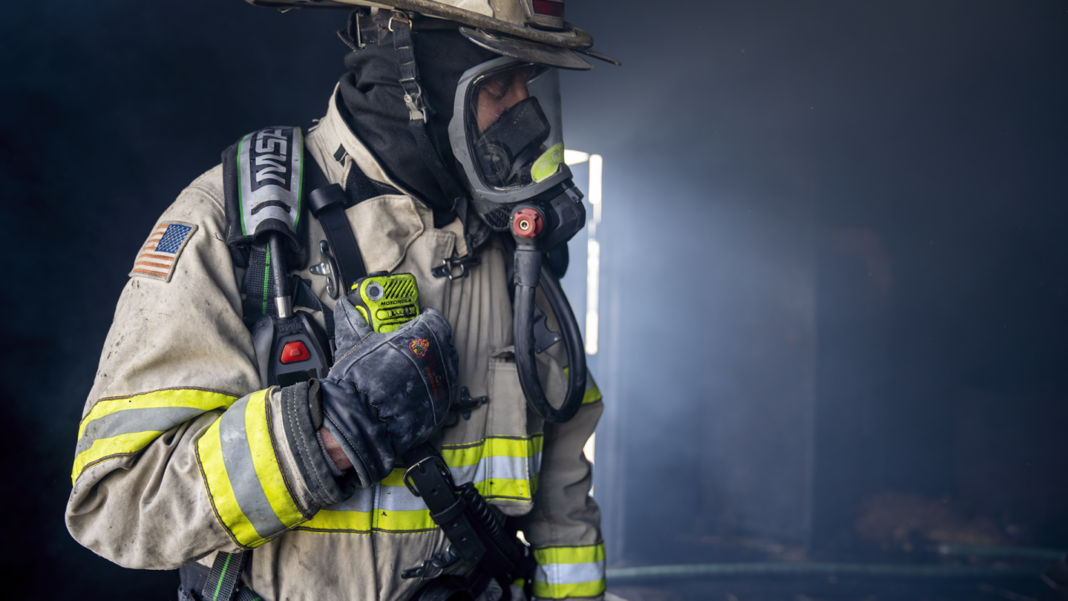

You don’t realize how annoying a bad radio strap is… until it’s 2 a.m., you’re crawling through smoke, and the thing’s sliding off your shoulder like a lazy snake.
You adjust. It slips. You cinch it tighter. Now it’s digging into your neck. Meanwhile, your radio—your literal lifeline—is bouncing around like a toddler on a sugar rush.
Sound familiar?
A firefighter radio strap isn’t some nice-to-have accessory. It’s mission-critical. And if you’ve ever fumbled for your mic mid-call or had your radio snag on a door frame, you already know: the wrong strap can slow you down—or worse.
So how do you pick the right one? Glad you asked.
Let’s break it down.
Leather vs. Synthetic: Old School or New Tech?
First big decision: do you go with classic leather or modern synthetic?
Leather’s got that rugged, broken-in vibe. It molds to your body over time. Looks sharp, too. But here’s the tradeoff: it needs maintenance. Moisture, heat, grime? Leather doesn’t love those. Without conditioning, it’ll stiffen or crack.
Synthetic straps? Whole different ballgame. Lightweight, water-resistant, wipe-and-go easy. Built from ballistic nylon or similar materials, they shrug off the elements better. Sure, they don’t “age gracefully” like leather—but maybe you’re not here for nostalgia. Maybe you just want something that won’t quit.
Reality check: if your shift feels more like a swim meet than a structure fire, synthetic’s your friend. But if you’re a sucker for tradition? Leather still holds its ground.
A report from the U.S. Fire Administration even points out that gear durability hinges more on your environment than just material specs [USFA, 2020]. Translation? Match the strap to the grind.
Fit & Adjustability: Comfort Isn’t Optional
You’re already carrying enough weight. Last thing you need is a strap that fights you every step.
Look for adjustability. Padded shoulders. Holster placement options. You want that radio where your hand naturally reaches—not halfway down your back.
And if you’ve ever felt that slow burn across your neck after a 12-hour shift? You’ll appreciate a wider strap with padding. Small detail, big difference.
Pro tip: don’t just try it on standing in a gear room. Throw it over your bunker coat. Move around. Bend, crawl, climb. If it annoys you now? It’ll enrage you mid-call.
Hardware: The Little Things That Break at the Worst Time
Metal vs. plastic. Snap vs. buckle. These tiny pieces? They matter.
Metal clips last longer but can heat up (yes, painfully so). Plastic won’t burn your skin but might not outlive your boots. Either way—check the stitching. Reinforced hardware points aren’t negotiable.
A buckle popping mid-call isn’t just inconvenient. It’s a safety risk. The National Institute for Occupational Safety and Health (NIOSH) flagged equipment failures as a recurring factor in firefighter injuries [NIOSH, 2021]. Translation: don’t cheap out on the clips.
Extra Features: Useful or Overkill?
Reflective tape. Extra D-rings. Mic loops. Nameplates. All sound great… until your strap starts looking like a tool belt.
Ask yourself: are you actually going to use that extra D-ring? Or is it just one more thing to snag on a handrail?
Some features boost functionality. Others? They just add weight and clutter. Prioritize what helps you—and ditch what doesn’t.
Also, consider how the strap plays with your turnout gear. Under the coat? Over the coat? Each has pros and cons. “Under” protects your radio; “over” gives faster access. Neither is wrong—just depends on how you work.
Cleaning & Maintenance: Yes, You Actually Have to Wash It
Not to gross you out, but your radio strap is probably dirtier than you think. Sweat, soot, chemicals, bacteria—it’s a breeding ground.
Leather? You’ll need special cleaners and conditioners. Synthetic? Most wipe clean or even hit the washing machine. If your department’s big on decon protocols, synthetic’s simplicity might save you headaches (and health risks).
A study in the Journal of Occupational and Environmental Hygiene underscores how cleaning personal gear reduces exposure to hazardous residues [J Occup Environ Hyg, 2019]. TL;DR: a clean strap’s a safer strap.
Bottom Line: One Size Doesn’t Fit All
Urban firefighter? Rural volunteer? Wildland crew? Your strap needs won’t look the same.
Some folks swear by leather. Others won’t touch anything but ballistic nylon. Some want padded wide straps. Others like minimalist builds.
Here’s the real secret: the best firefighter radio strap is the one that works for your body, your gear, and your job.
Want a shortcut? Start with straps that check the boxes for comfort, durability, and easy cleaning. Then customize from there.
Your radio’s your lifeline. Make sure the strap carrying it can handle the heat.