


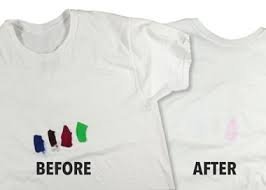
Acrylic paint is a versatile and popular medium used by artists and hobbyists alike. Known for its quick drying time and vibrant colors, it’s commonly used on various surfaces, including canvas, wood, and even fabric. However, one common does acrylic paint wash off concern is whether acrylic paint washes off clothes. This article explores the characteristics of acrylic paint, the difficulty of removing it from fabrics, and effective methods for cleaning paint-stained clothes.
Characteristics of Acrylic Paint
Acrylic paint is made from pigment suspended in an acrylic polymer emulsion. When wet, it is water-soluble, allowing for easy mixing and application. However, once it dries, it becomes water-resistant and forms a durable, plastic-like layer. This transformation from a liquid to a solid state is what makes acrylic paint so popular for both artistic and practical applications.
Challenges of Removing Acrylic Paint from Clothes
When acrylic paint gets on clothing, it can be challenging to remove, especially after it has dried. The paint’s composition and quick drying time make it difficult to wash out using standard laundering methods. Here are some key reasons why acrylic paint is tough to remove from fabrics:
Quick Drying Time
Acrylic paint dries quickly, often within minutes, depending on the thickness of the application and the environmental conditions. This rapid drying process allows the paint to bond strongly with fabric fibers, making it harder to wash out once it has set.
Water Resistance
Once dry, acrylic paint becomes water-resistant, which means that simply soaking or washing the stained garment in water is unlikely to be effective. The paint forms a plastic-like layer that adheres tightly to the fabric.
Fiber Absorption
Different fabrics absorb paint differently. Natural fibers like cotton and linen are more likely to absorb acrylic paint, making it harder to remove. Synthetic fibers, on the other hand, may resist absorption to some degree, but once the paint dries, it can still be difficult to remove.
Effective Methods for Removing Acrylic Paint
While removing acrylic paint from clothes can be challenging, it’s not impossible. The key is to act quickly and use the right techniques and cleaning agents. Here are some effective methods for tackling acrylic paint stains:
Immediate Action: Wet Paint
If you catch the paint stain while it is still wet, you have a much better chance of removing it completely. Follow these steps:
- Rinse with Cold Water: Hold the stained area under cold running water to flush out as much paint as possible. Avoid using hot water, as it can set the stain.
- Blot, Don’t Rub: Use a clean cloth or paper towel to blot the stain gently. Rubbing can push the paint deeper into the fibers.
- Use Soap or Detergent: Apply a small amount of liquid dish soap or laundry detergent to the stain and gently work it into the fabric with your fingers or a soft brush. Rinse thoroughly with cold water.
Dried Paint Stains
If the paint has already dried, the removal process becomes more challenging, but not impossible. Here are some steps to follow:
- Scrape Off Excess Paint: Use a blunt knife or a spoon to gently scrape off as much dried paint as possible without damaging the fabric.
- Soak in Warm, Soapy Water: Fill a basin with warm water and add a generous amount of liquid dish soap or laundry detergent. Submerge the stained area and let it soak for at least an hour.
- Apply an Alcohol-Based Cleaner: Rubbing alcohol, nail polish remover (acetone), or a commercial stain remover can be effective on dried acrylic paint. Test on a small, inconspicuous area first to ensure it doesn’t damage the fabric. Apply the cleaner to the stain and use a soft brush to work it in.
- Rinse and Launder: After treating the stain, rinse the fabric thoroughly with cold water and launder as usual. Check the stain before drying, as heat can set any remaining paint.
Preventive Measures
To avoid the hassle of removing acrylic paint from clothes, consider taking preventive measures when working with the medium:
- Wear Old or Protective Clothing: Use aprons, smocks, or old clothes that you don’t mind getting stained.
- Cover Work Surfaces: Protect your work area with newspapers, plastic sheets, or drop cloths.
- Use Fabric Mediums: If you intend to paint on fabric, mix your acrylic paint with a fabric medium. This makes the paint more flexible and less likely to crack, and it can be easier to wash out if necessary.
Conclusion
Acrylic paint can be a challenge to remove from clothes due to its quick drying time and water-resistant properties. However, with prompt action and the right cleaning techniques, it is possible to minimize or even eliminate paint stains. Understanding the nature of acrylic paint and employing effective removal methods can help keep your clothes stain-free, allowing you to enjoy the creative process without worry.

