


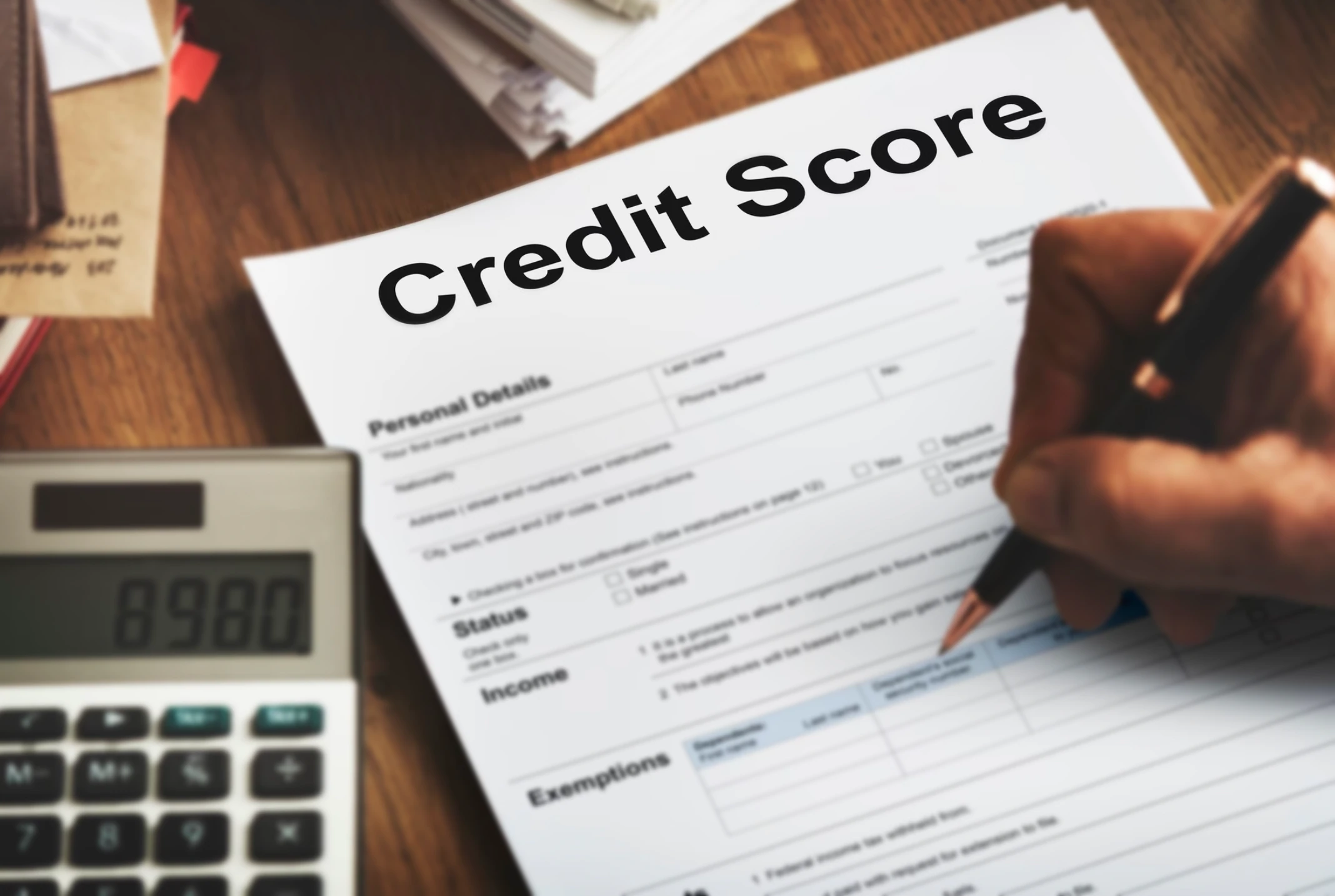
A person’s credit score is now used for purposes other than just determining their creditworthiness. Credit scores are becoming increasingly important. Lenders use risk-based pricing to set loan interest rates, and employers use credit scores before employment letters.
Since credit scores are becoming more and more valuable, customers with excellent credit must work hard to maintain and even improve their score in order to be eligible for more and better credit cards as well as lower interest rates on loans. But, as you proceed in this manner, exercise caution to avoid doing the following, as they may lower your credit score online:
Failing to pay interest on loans and credit card debt on time
Financial institutions typically give preference to customers who have a history of making loan payments on time and who adhere to strict repayment plans for credit card and loan interest. Contrary to popular belief, credit bureaus are sometimes thought to give your credit payback history a high priority when calculating your credit score.
Your credit score and rating are lowered when you miss loan or credit card payments. There is a notation regarding this irregularity in your credit report. Moreover, these irregularities in repayment are usually noted on your credit report for a long time, which could have a negative effect on your future creditworthiness and loan and credit card applications. When you do CIBIL score check online free each month, you can see this.
Therefore, be sure that you always pay your credit card bills on time and in full, and that you never forget or delay paying interest on your loans. Your efforts would eventually result in a higher credit score, increasing your chances of getting credit cards and loans later on.
Maintaining a high rate of credit utilisation
The percentage of your credit card limit that you use each month is known as your credit usage ratio. Think about the following situation: Your credit use ratio is 20% if you have used Rs 30,000 of the Rs 1.5 lakh maximum credit limit on your card. If your credit usage ratio exceeds 30–40%, credit bureaus will reduce your credit score online because lenders might view this as evidence of irresponsible lending.
To stop your credit score from dropping, make sure your credit utilisation ratio stays between 30 and 40%. Contact your credit card issuer to request an increase in credit limit or a new card if you frequently find yourself exceeding your credit limit. As a result, your total credit limit will increase and your credit utilisation ratio will drop.
Not keeping up with enough credit report monitoring
Lenders will request to see a copy of your credit report from the relevant credit agency in order to confirm your ability to repay debts, even if you have excellent credit or are applying for a credit card. Credit bureaus use it to determine your credit score overall. It provides a summary of the loans and credit card accounts you have taken out and closed, as well as your credit repayment history.
Your credit report may contain inaccurate information as a result of administrative mistakes made by lenders or credit bureaus, as well as information that could lead to fraud suspicions in the case of transactions you are not familiar with. The necessity of quickly identifying and resolving fraud and inaccuracies in credit reports emphasises the significance of routinely monitoring credit score online.
You should definitely take advantage of this opportunity as you are entitled to one free credit report annually from each of the four credit bureaus that are currently in operation in the nation. To receive one free credit report every three months when using the CIBIL score check online free feature, make sure you are splitting up your requests for credit reports among the four credit bureaus.
Asking lenders direct, frequent questions concerning credit cards or loans
If you want to apply for a loan and have good credit, a lender will get your credit report from a credit bureau so they can check your creditworthiness and repayment history. Credit bureaus refer to credit reports that are requested by loan originators as “hard inquiries,” and they are noted in your credit report. They might even cause a few points to be deducted from your credit score.
Checking your credit score once a month through one of the many online financial portals is one way to avoid dealing with lenders directly about credit cards or loans. There, you can assess lenders according to your credentials and your means of financing, and then select the most suitable one. These portals are considered “soft inquiries,” so obtaining information from your credit report through them won’t have a negative impact on your credit score.
Failing to maintain records of co-signed or guaranteed loan accounts
When you co-sign or guarantee a loan, you assume joint and equal responsibility for ensuring that it is repaid on schedule. Both the primary borrowers’ and the co-signor’s credit scores would suffer from any postponement or default in the related loan repayment.
Generally speaking, it’s a good idea to monitor the repayment status of your guaranteed or co-signed loan accounts. Your credit score may suffer and you may not be eligible for a loan or credit card in the future if you ignore them.
An increased percentage of unsecured loans
Your credit mix, or the percentage of your debt that is both secured and unsecured, is one of the key factors that credit bureaus consider when calculating your credit score. Credit bureaus also assess such borrowers favourably in their credit reports since lenders typically prefer lending to people who have a higher percentage of secured loans in their credit mix, such as a home loan, auto loan, or loan secured by property. If you recently took out or repaid an unsecured or secured loan, it’s possible that your credit mix has changed when you go for CIBIL score check online free.
Alternatively, to maintain a healthy mix of credit, you could try refinancing your unsecured debt with secured loans, like a home equity loan (for borrowers who already have a home loan) or a loan secured by gold or stocks. Paying off unsecured debt, which includes credit card debt, personal loans, and other loans of a similar nature, is a better choice for people looking for a quicker way to raise their credit score. This is due to the fact that doing this will raise both the percentage of secured loans in your portfolio and your credit score.

