
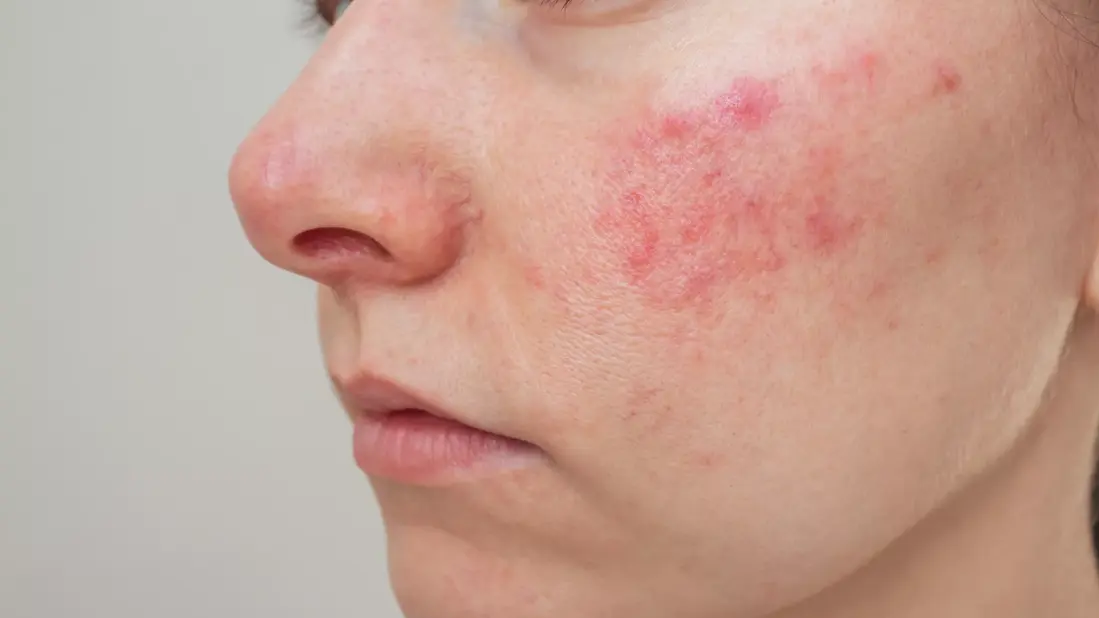
Facial redness can be both a cosmetic and a comfort concern, often making skin feel warm, sensitive, or itchy. While occasional flushing after exercise or a change in temperature is regular, persistent redness may indicate irritation, inflammation, or an underlying skin condition. For expert care and lasting relief, Dr. Debra Jaliman can treat your red face condition with personalized solutions designed to calm irritation and restore skin balance. The good news is that with the right approach, you can calm and soothe irritated skin, restore its balance, and prevent future flare-ups.
Why Facial Redness Happens?
Facial redness is caused by dilated blood vessels close to the skin’s surface or an inflammatory response triggered by various factors. These may include:
- Environmental Exposure: Sun, wind, and cold weather can strip the skin’s protective barrier, leading to redness and dryness.
- Harsh Skincare Products: Overuse of strong exfoliants, acids, or fragrances can irritate.
- Allergic Reactions: Sensitivity to certain ingredients in skincare or cosmetics may result in redness and swelling.
- Underlying Conditions: Rosacea, eczema, seborrheic dermatitis, and acne can all present with redness as a primary symptom.
- Lifestyle Triggers: Stress, spicy foods, hot beverages, and alcohol can cause facial flushing in sensitive individuals.
Selecting the best course of treatment requires determining the reason.
At-Home Red Face Treatments
For mild redness or irritation, gentle at-home care can go a long way in restoring comfort and skin health.
1. Switch To Gentle Cleansers
Avoid foaming cleansers with sulfates or alcohol, as they can strip natural oils. Instead, choose hydrating, PH-balanced cleansers that remove impurities without disrupting the skin barrier.
2. Soothe With Hydration
Moisturizers containing ceramides, hyaluronic acid, or aloe vera help replenish moisture and strengthen skin resilience. Applying moisturizer twice daily can prevent further irritation.
3. Use Cool Compresses
Applying a clean, cool compress for 10–15 minutes can reduce inflammation and calm the skin quickly. To avoid damaging the skin, do not apply ice directly to it.
4. Avoid Over-Exfoliation
While exfoliating removes dead skin cells, doing it too frequently—especially with abrasive scrubs—can worsen redness. Only exfoliate once a week using gentle products.
5. Apply Sun Protection Daily
UV rays are a major trigger for redness. Use a broad-spectrum SPF 30 or higher daily, even on cloudy days, and reapply every two hours when outdoors.
Professional Treatments For Persistent Redness
When facial redness doesn’t improve with home care, professional dermatology treatments can target the problem at its source.
- Laser Therapy: Targeting visible blood arteries, vascular lasers and intense pulsed light (IPL) can lessen flushing and enhance general tone.
- Prescription Topicals: Medications like azelaic acid, metronidazole, or anti-inflammatory creams can help control redness caused by rosacea or dermatitis.
- Medical-Grade Soothing Facials: These use calming serums and gentle exfoliation to hydrate and reduce inflammation without irritating the skin further.
- Chemical Peels For Sensitive Skin: Specially formulated mild peels can improve texture and minimize redness without causing additional irritation.
A dermatologist will customize your treatment plan based on your specific triggers and skin type.
Lifestyle Habits To Reduce Flare-Ups
Certain everyday habits can either aggravate or help control redness. Adopting a skin-friendly lifestyle is essential for long-term improvement:
- Eat A Balanced Diet: Minimize spicy foods, caffeine, and alcohol if they trigger flushing. Include antioxidant-rich foods like berries, leafy greens, and omega-3 sources.
- Manage Stress: Stress can dilate blood vessels and worsen redness. Methods like meditation, deep breathing, or little exercise can be beneficial.
- Protect Against Extreme Temperatures: Wear scarves in cold weather and use shade or hats during sunny days to shield sensitive skin.
- Patch Test New Products: Always test skincare or cosmetics on a small area before applying them to your face.
When To Seek Medical Advice?
If your redness is persistent, painful, or accompanied by other symptoms like bumps, scaling, or swelling, it’s best to consult a dermatologist. In addition to ensuring you receive the best therapy possible, early action can stop the illness from getting worse.
Final Thoughts
Facial redness can be caused by many factors, but it doesn’t have to be a permanent feature. By identifying triggers, using gentle skincare, and seeking professional help when needed, you can calm irritation, restore a healthy skin barrier, and enjoy a more even complexion. Whether it’s adjusting your daily routine or pursuing advanced dermatology treatments, there are proven ways to soothe red skin and keep it looking and feeling its best.