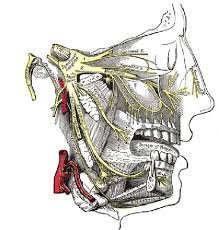

Trigeminal neuralgia (TN), one of the worst pain conditions, damages the face’s trigeminal nerve. Sharp, shooting or electric shock-like pain can be provoked by even the slightest touch, such as cleaning teeth or a breeze on the face. This condition can significantly disrupt daily activities, but with early diagnosis, appropriate treatment, and effective management strategies, patients can find relief and regain control over their lives.
Understanding Trigeminal Neuralgia
The trigeminal nerve contains three branches that serve distinct facial locations. When the nerve is irritated, typically by pressure or inflammation, it results in episodes of intense pain that can occur suddenly and without warning. The pain is often one-sided, affecting either the left or right side of the face. In some cases, pain can also radiate from the jaw or teeth, creating confusion and misdiagnosis.
The exact cause of TN can vary, but the most common factor is the compression of the trigeminal nerve, often due to blood vessels pressing against it. This compression malfunctions the nerve and delivers pain signals to the brain without explanation. Other causes may include multiple sclerosis (MS) or tumors that affect the nerve’s function.
Diagnosing Trigeminal Neuralgia
Diagnosing trigeminal neuralgia can be challenging because its symptoms overlap with other conditions, such as dental issues or sinus infections. A thorough medical history, complete physical examination, and detailed questioning about the nature of the pain are crucial in identifying TN. The most distinctive feature is the sudden onset of intense, stabbing pain that typically lasts for a few seconds to minutes and is usually triggered by routine activities like eating, speaking, or brushing teeth.
Magnetic resonance imaging (MRI) may rule out malignancies or vascular abnormalities as reasons for pain. MRI scans can also identify any pressure on the trigeminal nerve caused by blood vessels or other abnormalities. In cases where multiple sclerosis is suspected as the cause, a specialized MRI can detect lesions on the brain or spinal cord that affect the nerve pathways.
Treatment Options For Trigeminal Neuralgia
Patients with trigeminal neuralgia are treated to lessen pain, episodes, and quality of life. Depending on severity and reaction to initial treatments, medicines and surgery are offered.
Medications
For many patients, medication is the first line of treatment. Anticonvulsants like carbamazepine are commonly prescribed to help control nerve activity and reduce the pain caused by TN. Other drugs, such as oxcarbazepine or gabapentin, may also be used to manage symptoms. These medications work by stabilizing nerve cell activity, preventing the excessive firing of pain signals. However, some patients may experience side effects such as dizziness, fatigue, or nausea, which can impact the effectiveness of the treatment.
In addition to anticonvulsants, some patients may benefit from pain relievers, muscle relaxants, or antidepressants that address nerve sensitivity. For patients whose pain cannot be controlled by medications, a combination of therapies may be recommended.
Surgical Treatments
When medications fail to provide sufficient relief, or if they cause unacceptable side effects, surgical options may be considered. The goal of surgery is to either relieve the pressure on the trigeminal nerve or to interfere with pain transmission.
One of the most common surgical procedures for TN is microvascular decompression (MVD). In MVD, a surgeon identifies the blood vessels compressing the trigeminal nerve and carefully relocates them to reduce pressure. This procedure offers the potential for long-term pain relief, but it carries certain risks, such as infection, hearing loss, or damage to other facial nerves.
Another surgical option is radiofrequency ablation. This technique uses heat to destroy nerve fibers that are responsible for transmitting pain signals. While it is less invasive than MVD, the effects may not be permanent, and some patients may experience recurring pain after several months or years.
For those who are not candidates for surgery or prefer a less invasive approach, Gamma Knife radiosurgery may be an alternative. This treatment attacks the trigeminal nerve with focused radiation to reduce pain signals. Though this treatment is effective for many patients, careful consideration of the potential long-term effects is required, and it may take several weeks or months to show full benefits.
Managing Trigeminal Neuralgia
Trigeminal neuralgia has no cure, but a comprehensive management strategy can enhance quality of life. Lifestyle adjustments, such as avoiding triggers like cold air or certain facial movements, can reduce the frequency and severity of pain episodes. Physical therapy may also play a role in strengthening the facial muscles and increasing blood circulation to the affected areas.
Mental health specialists can assist chronic pain, anxiety, and depression sufferers emotionally. Trigeminal neuralgia support groups can offer emotional support and discuss coping tactics. To further support the diagnostic process for neurological conditions like trigeminal neuralgia, tests such as an EEG may be recommended—learn more about how this tool can aid in evaluation at https://www.southvalleyneurology.com/blog/how-can-an-eeg-test-help-you.
Conclusion
Trigeminal neuralgia can severely impair quality of life. However, with early diagnosis and a range of treatment options, including medications and surgical interventions, patients can manage their symptoms effectively. If you suspect trigeminal neuralgia, consult a doctor immediately to get the correct therapy and prevent it from worsening. With the right care, many patients are able to find relief and regain control over their lives, making living with TN much more manageable.