


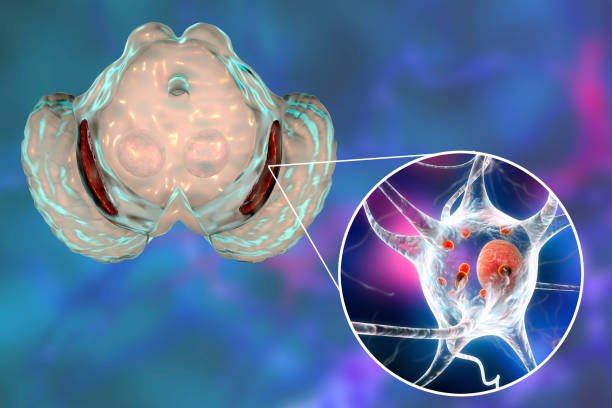
Frontotemporal dementia (FTD) is a group of neurodegenerative disorders characterized by the progressive degeneration of the frontal and temporal lobes of the brain. Among these syndromes, progressive supranuclear palsy (PSP) is a distinct form that presents with a unique set of clinical features and neuropathological substrates.
This article provides an overview of the PSP form of frontotemporal dementia, highlighting its diagnosis, clinical manifestations, and implications for treatment and management.
Diagnosis and Clinical Features
PSP (progressive supranuclear palsy) is a type of frontotemporal dementia that is characterized by the degeneration of the brain’s motor control centers, particularly the brainstem and the basal ganglia. The diagnosis of PSP is typically made based on a combination of clinical features, including.
- Oculomotor dysfunction: PSP patients often experience difficulty with eye movements, including difficulty looking up or down, and an inability to move their eyes in a coordinated manner.
- Parkinsonian symptoms: PSP patients may exhibit symptoms similar to those seen in Parkinson’s disease, such as tremors, rigidity, and bradykinesia.
- Executive dysfunction: PSP patients often experience difficulties with planning, decision-making, and problem-solving.
- Behavioral changes: PSP patients may exhibit changes in personality, mood, and behavior, such as apathy, depression, and anxiety.
Neuropathological Substrates
PSP is associated with the accumulation of tau protein in the brain, which is a hallmark of neurodegenerative diseases. The tau protein forms neurofibrillary tangles (NFTs), which are a characteristic feature of PSP pathology. Additionally, PSP is often accompanied by the degeneration of the brain’s motor control centers, including the brainstem and the basal ganglia.
Imaging and Biomarkers
Neuroimaging techniques, such as magnetic resonance imaging (MRI) and positron emission tomography (PET), play a crucial role in the diagnosis and monitoring of PSP. These techniques can help identify the characteristic patterns of atrophy and degeneration associated with PSP, as well as the accumulation of tau protein in the brain.
Treatment and Management
There is currently no cure for PSP, but various treatments can help manage the symptoms and slow disease progression. These include.
- Medications: Medications such as dopamine agonists and anticholinergics can help alleviate symptoms such as tremors, rigidity, and bradykinesia.
- Physical therapy: Physical therapy can help improve mobility and balance in PSP patients.
- Speech therapy: Speech therapy can help improve communication skills in PSP patients.
- Psychological support: Psychological support and counseling can help PSP patients and their families cope with the emotional and behavioral changes associated with the disease.
Conclusion
PSP is a distinct form of frontotemporal dementia characterized by the degeneration of the brain’s motor control centers and the accumulation of tau protein in the brain. Understanding the diagnosis, clinical features, and neuropathological substrates of PSP is essential for effective treatment and management. By recognizing the unique characteristics of PSP, healthcare providers can provide more targeted and effective care for patients with this condition.

